Introduction to Indian Fashion Culture
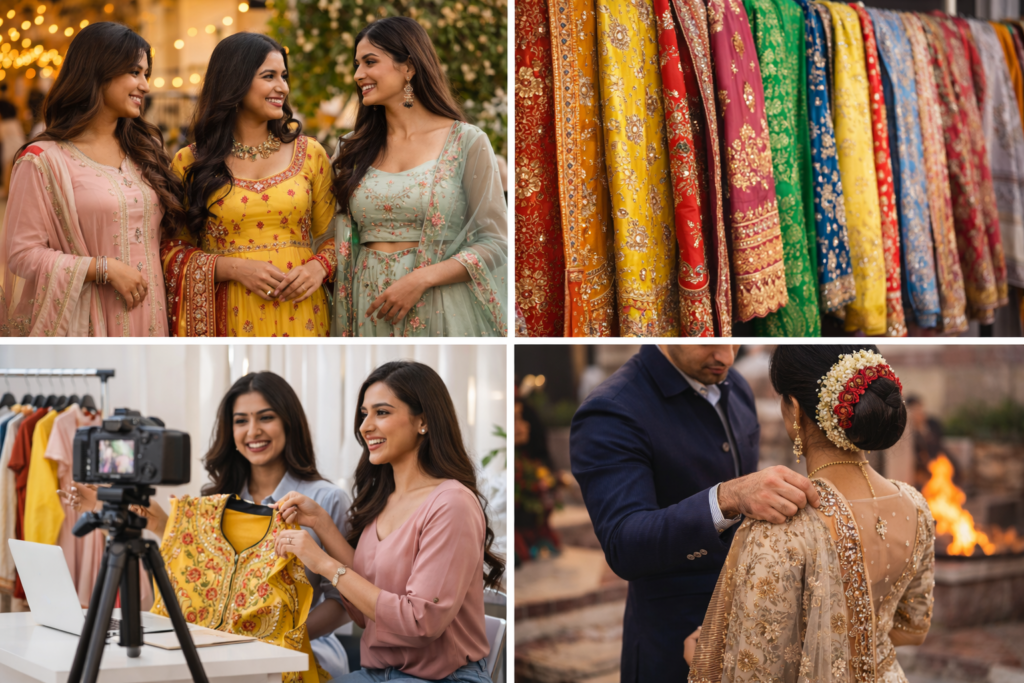
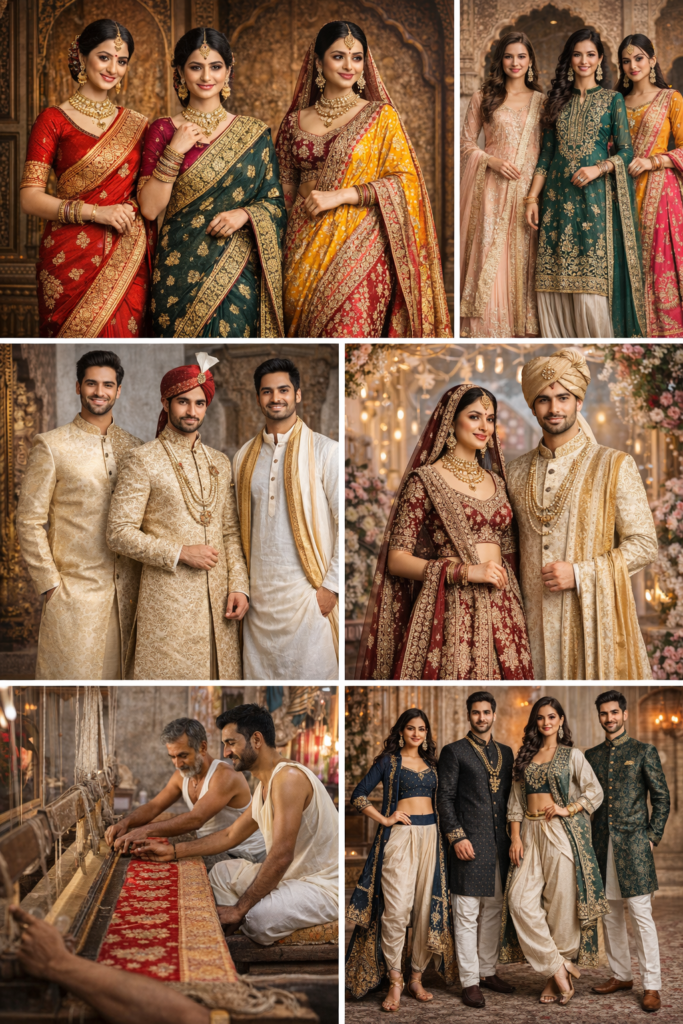
Fashion in India reflects the country’s rich cultural heritage, regional diversity, and evolving modern lifestyle shaped by thousands of years of textile craftsmanship India represents a magnificent fusion of 5,000 years of textile heritage with contemporary global trends. The Indian fashion industry has evolved from ancient weaving traditions to a multi-billion dollar sector that influences runways worldwide. Understanding this diverse landscape means exploring regional styles, traditional craftsmanship, and modern innovations that make Indian clothing unique and globally celebrated.
History of fashion in india
Ancient Textile Heritage
Indian clothing traces its roots to the Indus Valley Civilization (3000 BCE), where sophisticated cotton weaving techniques first emerged. Ancient garments were characterized by draped clothing, natural fabrics, and intricate jewelry that reflected regional and social identities.
Mughal Era Influence
The Mughal period transformed Indian clothing by introducing Persian-inspired garments, intricate embroidery techniques like zardozi, and luxurious fabrics. This era gave India iconic styles including the anarkali suit, sherwani, and elaborate jewelry designs still popular today.
Colonial Impact and Modernization
British colonialism introduced Western tailoring concepts, creating hybrid styles that blended European cuts with Indian fabrics. This era saw the emergence of the blouse worn with sarees and the adoption of stitched garments alongside traditional draped clothing.
Post-Independence Revolution
After 1947, Indian clothing experienced a nationalist revival, with leaders like Jawaharlal Nehru popularizing indigenous textiles and the “Nehru jacket.” This period emphasized handloom fabrics and self-reliance in textile production, shaping modern style identity.
Traditional fashion in india
The Saree: India’s Iconic Garment
The saree remains the most recognizable traditional garment, worn by millions of women daily. This six-to-nine-yard unstitched cloth exemplifies elegance and versatility through various draping styles.
Regional Saree Varieties
Kanjeevaram Sarees – South Indian treasures from Tamil Nadu featuring heavy silk and gold thread work, perfect for weddings and festivals.
Banarasi Sarees – North Indian staples from Varanasi with intricate brocade patterns inspired by Mughal designs.
Bandhani Sarees – Western Indian styles featuring tie-dye techniques from Gujarat and Rajasthan in vibrant colors.
Tant Sarees – Bengali essentials made from lightweight cotton, ideal for everyday wear in humid climates.
Paithani Sarees – Maharashtrian heritage pieces known for peacock and lotus motifs woven in pure silk.
Salwar Kameez Styles
The salwar kameez has become integral to Indian wardrobes, offering comfort and modesty while allowing creative expression through various styles and embellishments.
Popular Variations
Anarkali Suits – Flowing, frock-style tops that dominate festive occasions, inspired by Mughal court attire.
Patiala Suits – Punjabi classics featuring pleated salwar and short kameez, popular in North India.
Churidar Suits – Fitted bottom wear paired with long kameez, representing elegant everyday style.
Palazzo Suits – Contemporary combinations with traditional tops and wide-legged trousers for modern appeal.
Men’s Traditional Attire
Indian men’s clothing encompasses diverse traditional garments that vary significantly across regions and occasions.
Kurta Pajama Options
The kurta pajama represents versatile attire suitable for both casual wear and formal events. Cotton kurtas dominate summer wardrobes, while silk versions are preferred for weddings.
Sherwani: Formal Elegance
The sherwani epitomizes luxury in men’s wear, particularly for weddings. This long coat-style garment features intricate embroidery and pairs with churidar or dhoti.
Dhoti in Regional Styles
The dhoti remains important in traditional clothing, worn differently across regions. South Indians favor white cotton dhotis, while Maharashtrians feature distinctive draping methods.
Indian Wedding Celebrations and Attire
Bridal Collections
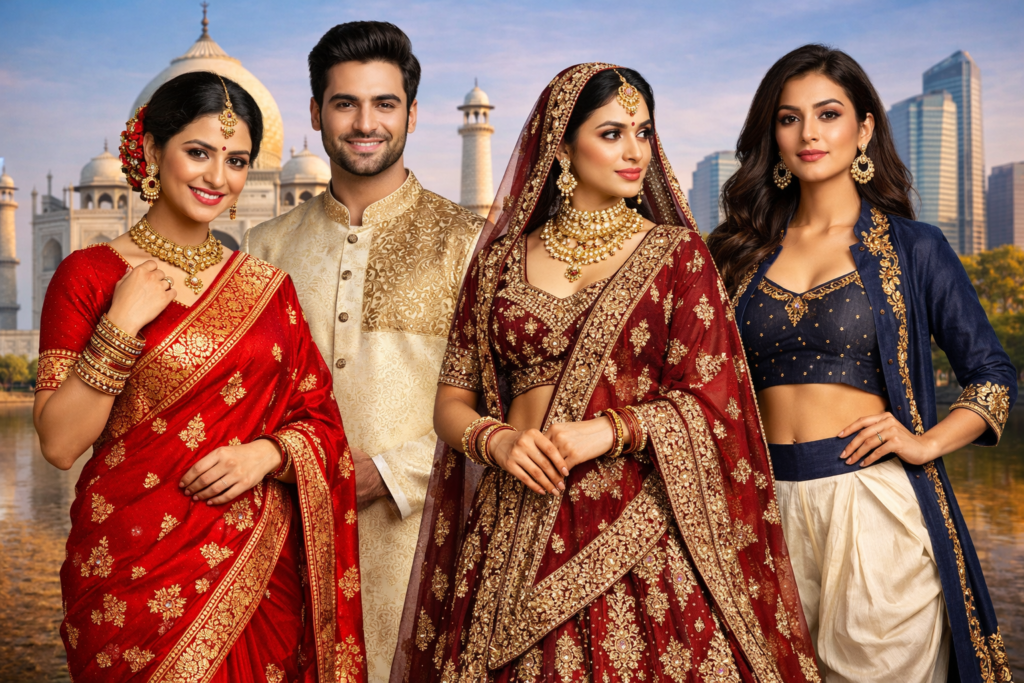
Wedding attire represents the pinnacle of traditional style, with brides investing significantly in their trousseau and jewelry.
Bridal Lehenga Trends
Lehengas dominate contemporary bridal wear, featuring heavy embroidery, rich fabrics like velvet and silk, and elaborate embellishments including zardozi, gota patti, and stone work.
Bridal Saree Selection
Traditional bridal attire often includes silk sarees in auspicious colors like red, maroon, and gold, representing different regional preferences and family traditions.
Groom’s Wedding Wardrobe
Modern groom attire balances traditional elements with contemporary styling, offering diverse options from classic sherwanis to Indo-Western fusion outfits.
Sherwani Designs
Contemporary groom collections include slim-fit sherwanis, jacket-style pieces, and embroidered achkans paired with churidar pajamas or dhoti pants.
Indo-Western Fusion
Fusion wear for grooms combines traditional embroidery with modern cuts, including bandhgala jackets, Nehru jackets with trousers, and designer kurta sets.
Indian Textile Heritage
Handloom Traditions
Handloom textiles form the foundation of sustainable clothing, supporting millions of artisan families while producing eco-friendly fabrics.
Famous Handloom Fabrics
Chanderi Fabrics – Lightweight textiles from Madhya Pradesh, perfect for sarees and suits.
Maheshwari Sarees – Traditional handloom featuring distinctive borders and checks.
Tussar Silk – Wild silk that’s become popular in ethnic wear for its natural texture.
Khadi Cotton – Symbol of indigenous textiles, promoted during the independence movement.
Embroidery Techniques
Embroidery distinguishes luxury clothing, with each region contributing unique styles and methods.
Regional Embroidery Styles
Chikankari – Lucknow’s contribution featuring delicate white threadwork on cotton and silk.
Phulkari – Punjabi embroidery brightening garments with vibrant floss silk in geometric patterns.
Kantha – Bengali running stitch embroidery adding texture to clothing.
Zardozi – Metallic thread embroidery representing opulent bridal and formal wear.
Mirror Work – Gujarati embroidery technique adding sparkle to festive outfits.
Block Printing Methods
Block printing represents sustainable textile production, using carved wooden blocks to create intricate patterns on fabrics.
Types of Block Printing
Ajrakh Printing – Complex resist-printing process from Gujarat featuring geometric patterns in indigo and red.
Bagh Printing – Madhya Pradesh’s contribution to natural dye textiles.
Bagru Printing – Rajasthani block printing technique using natural and chemical dyes.
Dabu Printing – Resist-printing method creating unique patterns on fabrics.
Contemporary Designer Scene
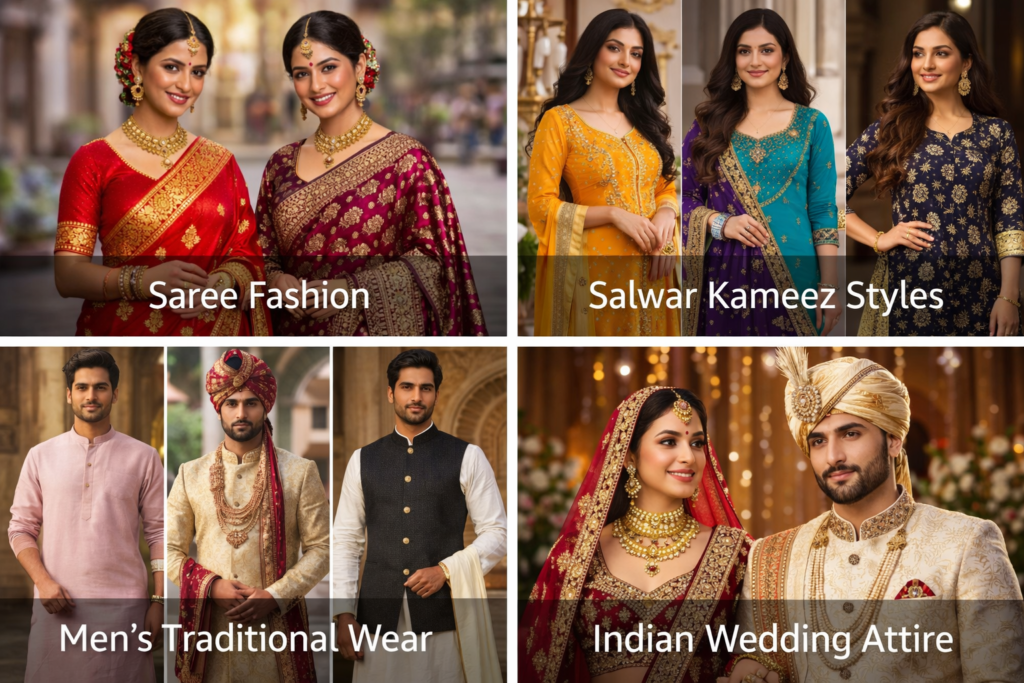
Leading Fashion Designers
The designer industry has grown exponentially, with homegrown talent gaining international recognition.
Prominent Design Houses
Sabyasachi Mukherjee – Dominates bridal collections with opulent pieces celebrating traditional craftsmanship.
Manish Malhotra – Bollywood’s favorite designer shaping celebrity style for over three decades.
Anita Dongre – Pioneer of sustainable luxury with emphasis on artisan support.
Tarun Tahiliani – Known for contemporary interpretations of traditional clothing.
Ritu Kumar – Veteran designer who revived heritage textiles since the 1960s.
Rohit Bal – Celebrated for romantic, elaborately embroidered collections.
Abu Jani Sandeep Khosla – Design duo famous for intricate, luxurious creations.
Bollywood Influence on Style
Bollywood cinema significantly influences mainstream trends, with films setting styles that millions follow nationwide.
Film Costume Impact
Movie costumes drive everyday clothing choices, with blockbuster films creating immediate demand for specific silhouettes, colors, and designs worn by leading actors.
Celebrity Style Icons
Bollywood celebrities serve as brand ambassadors, with their red carpet appearances, magazine covers, and social media posts influencing purchasing decisions across the country.
Indo-Western Fusion Wear
Fusion clothing represents the fastest-growing segment, appealing to young, urban consumers seeking versatile, contemporary styles.
Popular Fusion Combinations
Dhoti Pants – Modern interpretations combining traditional draping with pant convenience.
Crop Top Lehengas – Contemporary twist on traditional bridal wear.
Jacket-Style Blouses – Western silhouette added to ethnic outfits.
Kurta with Jeans – Casual fusion popular among youth nationwide.
Saree Gowns – Pre-stitched drapes offering convenience for formal occasions.
Sustainable and Ethical Practices
Eco-Friendly Movement
Sustainable clothing emphasizes natural fibers, traditional techniques, and artisan welfare, positioning India as a leader in ethical practices globally.
Green Fashion Initiatives
Handloom Support – Eco-conscious brands prioritize handwoven fabrics over power-loom production.
Natural Dyeing – Revival of plant-based dyes reduces chemical pollution in textile production.
Zero-Waste Design – Innovative pattern-making minimizes fabric waste in garment construction.
Slow Fashion – Quality-focused approach counters fast-fashion culture.
Artisan Empowerment
Ethical brands increasingly focus on fair wages, skill preservation, and market access for traditional artisan communities.
Collaborative Models
Brands now partner directly with weaver cooperatives, ensuring transparent pricing and sustainable livelihoods while producing authentic handcrafted garments.
Regional Style Diversity
North Indian Traditions
Northern states feature rich embroidery, layered clothing, and vibrant colors suited to diverse climates and cultural celebrations.
Punjabi Heritage
Punjabi style is characterized by colorful patiala suits, phulkari embroidery, and elaborate jewelry for weddings and festivals.
Rajasthani Aesthetics
Rajasthani clothing showcases mirror work, bandhani textiles, and colorful turbans representing desert state heritage.
South Indian Classics
Southern regions emphasize silk sarees, temple jewelry, and traditional draping styles reflecting ancient cultural traditions.
Tamil Traditions
Tamil clothing centers on Kanchipuram silk sarees and traditional gold jewelry for weddings and festivals.
Kerala Simplicity
Kerala style features white and gold kasavu sarees and simple, elegant styling for everyday and festive wear.
East Indian Specialties
Eastern regions highlight fine cotton weaving, intricate embroidery, and distinct draping styles.
Bengali Elegance
Bengali clothing is known for tant sarees, jamdani weaves, and red-white combinations for cultural festivals.
Odia Textiles
Odia style features ikat textiles and traditional sambalpuri sarees with unique weaving patterns.
West Indian Vibrancy
Western states showcase vibrant colors, mirror work embroidery, and tie-dye techniques.
Gujarati Celebrations
Gujarati clothing features bandhani textiles, elaborate mirror work, and colorful chaniya cholis for garba celebrations.
Maharashtrian Pride
Maharashtrian attire includes paithani sarees and traditional nauvari saree draping for weddings.
Digital Transformation
E-Commerce Revolution
Online shopping has transformed access to designer and traditional clothing, connecting consumers in tier-2 and tier-3 cities with premium brands.
Top Online Platforms
Myntra – Leading platform for designer and branded clothing.
Ajio – Reliance’s portal offering curated ethnic and Western collections.
Nykaa Fashion – Beauty-to-fashion platform growing rapidly in retail.
Amazon Fashion India – Massive selection spanning all price points.
Flipkot Fashion – Major player in affordable clothing retail.
Social Media Impact
Instagram, Pinterest, and YouTube have become primary sources for style inspiration, with influencers shaping trends and purchasing decisions.
Digital Influencers
Content creators significantly impact consumer choices, offering styling tips, product reviews, and trend forecasts to millions of followers.
Virtual Events
Digital fashion weeks and online trunk shows have expanded access to designer collections beyond metropolitan cities.
Street Style and Urban Trends
Metropolitan Fashion
Street style in major cities blends global trends with local sensibilities, creating unique expressions of personal style.
Delhi Street Scene
Delhi combines traditional ethnic wear with contemporary Western styles, visible in markets like Sarojini Nagar and Hauz Khas.
Mumbai Cosmopolitan
Mumbai reflects international influences with experimental styling and fusion wear popular among youth.
Traditional Markets
Physical markets remain important for affordable, trend-driven clothing despite e-commerce growth.
Famous Shopping Districts
Chandni Chowk (Delhi) – Historic market for ethnic clothing and textiles.
Linking Road (Mumbai) – Street style hub offering trendy, affordable pieces.
Commercial Street (Bangalore) – Popular destination for youth clothing.
Chickpet (Bangalore) – Traditional textile market for sarees and ethnic wear.
Seasonal Wardrobe Planning
Summer Collections
Summer clothing prioritizes breathable fabrics like cotton and linen in light colors and loose silhouettes.
Fabric Choices
Cotton dominates summer wardrobes, with khadi, mulmul, and voile being popular choices for kurtas, sarees, and casual wear.
Monsoon Dressing
Monsoon clothing requires quick-dry fabrics and practical styling while maintaining aesthetic appeal.
Winter Layering
Winter wardrobes vary dramatically between regions, from heavy woolens in North India to light jackets in southern cities.
Cold Weather Ethnic Wear
Velvet and brocade dominate winter wedding attire, offering warmth while maintaining traditional elegance.
Festival Wardrobes
Festivals drive major clothing purchases, with specific colors and styles associated with different celebrations.
Diwali Collections
Diwali represents peak season for clothing sales, with traditional ethnic wear and designer collections launching specifically for this festival of lights.
Accessories and Jewelry
Traditional Jewelry
Jewelry is integral to complete ethnic looks, with diverse regional styles and materials ranging from gold to oxidized silver.
Jewelry Categories
Temple Jewelry – South Indian staple featuring deity motifs in gold-plated designs.
Kundan Sets – Rajasthani contribution to bridal wear with gemstone settings.
Meenakari Pieces – Enamel work jewelry popular in North Indian weddings.
Oxidized Silver – Tribal-inspired pieces gaining popularity in contemporary styling.
Footwear Options
Traditional footwear complements ethnic outfits while modern interpretations offer comfort and style.
Traditional Shoes
Juttis – Embroidered Punjabi shoes that have become mainstream accessories.
Kolhapuri Chappals – Maharashtrian leather sandals representing artisanal craftsmanship.
Mojaris – Rajasthani shoes with curled toes, popular for wedding occasions.
Bags and Clutches
Accessories complete ethnic ensembles, with potli bags, embroidered clutches, and traditional jholas complementing outfits.
Body Positivity and Inclusivity
Size Diversity
The industry is gradually embracing diverse body types, though significant progress remains needed in size inclusivity.
Plus-Size Options
Plus-size clothing has expanded with brands specifically catering to larger sizes and offering stylish ethnic and Western options.
Custom Tailoring
Tailoring remains crucial for well-fitted garments, with local tailors helping customize ready-made pieces and creating bespoke outfits.
Affordable Style Options
Budget-Friendly Shopping
Accessible clothing spans street markets, online platforms, and budget brands offering trendy pieces at affordable prices.
Economic Brands
FabIndia – Mid-range ethnic clothing emphasizing handloom textiles.
W for Woman – Affordable contemporary clothing for working women.
Aurelia – Budget-friendly fusion collections.
Bibhttps://www.biba.in/flat-50/?utm_source=google&utm_medium=cpc&utm_campaign=Lyxel_Search_Biba_Brand_Exact_India_07%2F03%2F25&ma – Popular brand for everyday ethnic wear.
Luxury and Couture
High-End Designer Collections
Luxury clothing caters to affluent consumers seeking exclusive, handcrafted pieces from renowned designers.
Bridal Couture
High-end bridal wear involves significant investment, with designer lehengas costing lakhs of rupees for intricate craftsmanship.
International Brands
Global luxury brands have established strong presence in metropolitan India, offering Western luxury alongside local designer wear.
Fashion Education
Design Institutes
Formal education has grown substantially, producing designers who influence both domestic and international scenes.
Premier Institutions
National Institute of Fashion Technology (NIFT) – Premier government institution for design education.
Pearl Academy – Leading private institution for creative arts.
Symbiosis Institute of Design – Offers comprehensive design programs.
Career Opportunities
Industry Jobs
The growing industry offers diverse career paths from design to marketing, styling to merchandising.
Entrepreneurship
Many young designers are establishing independent labels, contributing to the vibrant startup culture in Indian textiles.
Future Trends and Innovations
Emerging Directions
The industry is poised for continued growth with technology integration, sustainability focus, and global expansion.
Technology Integration
AI-powered styling, virtual try-ons, and blockchain for authenticity are transforming retail experiences.
Global Influence
Indian designers increasingly influence international runways, with global brands incorporating Indian textiles, techniques, and silhouettes into collections.
Conclusion: The Timeless Appeal of Indian Style
Fashion in India represents a unique synthesis of ancient traditions and modern innovation. From the timeless elegance of handwoven sarees to cutting-edge designer collections, this diverse landscape offers unparalleled variety and craftsmanship. As the industry embraces sustainability, digital transformation, and global expansion, Indian clothing is positioned to grow its international influence while preserving rich cultural heritage.
Whether you’re interested in traditional ethnic wear, contemporary fusion styles, or luxury designer pieces, the landscape offers something for every taste and occasion. The combination of 5,000 years of textile expertise, talented contemporary designers, and a massive domestic market ensures that Indian style will remain vibrant, relevant, and globally influential for generations to come